
If you're like most homeowners, thinking about roof repairs isn't something you do very often. But when it comes to protecting your family, few home-related features do more than your roof does. Your home's roof is much more than a "hat" for your house. It keeps outside elements at bay like rain, wind, sleet, and snow. It also plays an important part in keeping you dry, warm, and comfortable through all four seasons. Those squirrels and other critters you see roaming around your property? It helps keep them away from your family, too.
When you consider those factors, it's easy to see why your roof is such a crucial piece of your everyday life. That's why, when your roof needs quality maintenance, renovations, or repairs, hiring a trustworthy roofing company in Georgetown, SC should be high on your priority list.
For years, Lowco roofing has been South Carolina's go-to roofing contractor for repairs, installations, and other roofing services. As Lowcountry locals, we consider ourselves more than just a roofing company. We're your friends and neighbors who you might see shopping at the local grocery store. As a family-owned roofing company, we pride ourselves on integrity, hard work, and personalized roofing services you can count on.
There's no secret formula that makes our company successful - we simply provide our customers with the highest quality work performed by expert roofing professionals. We like to do right by our customers because if the roles were reversed, that's how we'd like it too. The bottom line is that we do right by our customers and treat them the way we would like our own family to be treated.

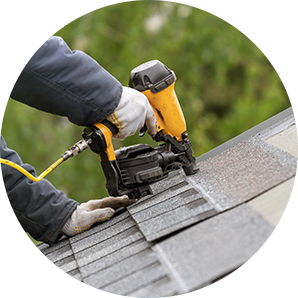
Restoration Services
- Roofing Company In Georgetown, SC
- Trustworthy Roof Repairs: Don't Wait Until It's Too Late!
- Roof Repairs in Georgetown: Why Go Pro?
- Out with the Old: Top-Rated Roof Installation in Georgetown, SC
- Attention Homeowners: Here Are Common Signs You Need a New Roof
- Let Us Show You the Lowco Difference
Services Area


Roof Repair for Joanna Roumbies

Roof Replacement for Chip Daddy
Roof Coating for Joann Pettit
Roofing Contractor for Ray Hooker
Roofing Services for Nick Dunk
Siding Contractor for Josh Walters
Local Roofers for Anthony Pinckney
Professional Roofing for Jennifer Mull
Residential Roofing Company for Kruin Steinmuller
Roofing for Michael Caldwell
Roof Repair for Gail Burns
Roof Replacement for carolyn furgason
Roof Coating for Tommy B
Roofing Contractor for Jessica Worcester
Roofing Services for Anagrace Crawford
Siding Contractor for Portia Harris
Local Roofers for Jamathan6
Professional Roofing for Beki Hampton
Residential Roofing Company for Brandi Sheppard
Roofing for Joie Baldwin
Roof Repair for Elizabeth Knight
Roof Replacement for M
Roof Coating for Carly DeTraglia
Roofing Contractor for Stephen Lohr
Roofing Services for Steven Mackenzie
When you choose Lowco Roofing, you can rest assured that you'll get the very best:
Experience
Lowco Roofing is a family-owned and operated business with over 30 years of roofing experience. There's no roofing project too small or large for our team to handle. We've seen and done it all, from major roof replacements to preventative roofing maintenance. When combined with our customer service, material selection, and available warranties, our experience sets us apart from other roofing contractors.
Reputation
Lowco Roofing has earned the respect and admiration of our customers by delivering the best craftsmanship and overall customer satisfaction. Our team is happy to assist you with any questions you have. Whether you need a roof inspection for your new home or have questions about roofing shingles, we're here to serve you.
Selection
From shingles, metal, and tile to commercial flat roofing, Lowco Roofing has the product lines and expertise to complete your job correctly, on time, and within your budget. As an Owens Corning Preferred Contractor, we offer the largest selection of shingle styles and products from the most trusted name in shingle manufacturers.
Warranty Coverage
As roofing experts, we know that warranties are important to our customers. That's why we offer the best product warranties around, including lifetime warranties on our shingles. With these warranties in place, you can have peace of mind knowing that your roof protects what matters most in your life.
Now that you know more about Lowco Roofing in South Carolina, you're probably ready to learn more about our roofing services in Georgetown, SC. Here are just a few of our most popular specialties:
Trustworthy Roof Repairs: Don't Wait Until It's Too Late!
If you've lived in South Carolina for long, you know that the weather can be crazy. One moment, it's bright and sunny outside and the next, it's raining cats and dogs. The reality is that South Carolina storms and our climate can wreak havoc on your roof. That's why, when your roof is damaged, you need a top-rated roofing contractor to perform expert roof repairs.
Whether you know for sure you have roof damage, or you're thinking ahead and need preventative maintenance, we can help. It all starts with a thorough roof inspection, so we can understand the scope of your repair needs. Once we know what kind of damage or maintenance you need, our team gets to work repairing damaged materials. When it's all said and done, you can rest easy at night knowing your family is better protected than they were the night before.
But don't wait until it's too late - we've seen countless examples of homeowners procrastinating about their roof repairs. It never ends well! Contact our office today to schedule your free repair estimate.
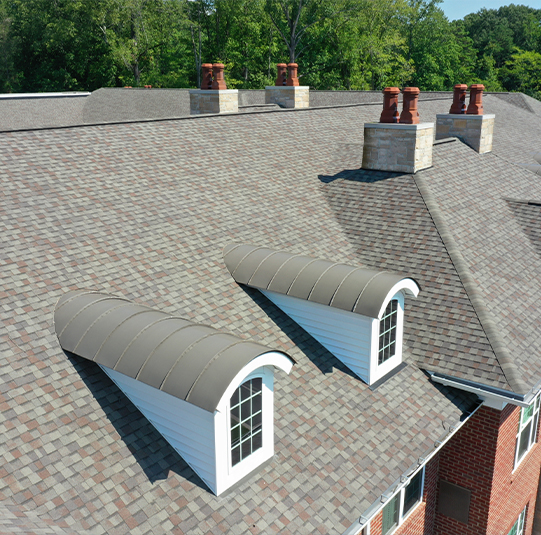
Roof Repairs in Georgetown: Why Go Pro?
Today's world is filled with independent thinkers and DIY specialists, which should be applauded. And as a homeowner, it makes sense to take care of minor issues and repairs yourself. But when it comes to significant, often complex repairs involving your roof, it's always best to rely on licensed, insured roofing contractors. Here's why:
High-Quality Craftsmanship
At Lowco Roofing, we aim to provide outstanding roof repairs and high-quality service. When we repair, replace, or install a new roof in South Carolina, we go the extra mile to make sure our job is completed with excellence. We know the devil is in the details, which is why we triple-check our work for quality. Our goal is to exceed your expectations with real-deal roofing craftsmanship, not mediocre service. If you want your roof repairs to last, it's always best to go pro with Lowco Roofing.
Experience
Like those you'll find at Lowco Roofing, the best roofing contractors have many years, if not decades, of professional experience. That experience is priceless and is one of the reasons why so many customers choose our roofing business. Our contractors have an incredible depth of knowledge, both in roofing repair theory and in practical application. No amount of reading, research, or YouTube videos will compare to real-world, high-level experience.
Warranties
As a customer, you want every assurance possible that your roof repairs and products will last for the long haul. We offer the roofing industry's best product warranties to protect your investment, including lifetime warranties on our shingles. As an Owens Corning preferred contractor, you know you're hiring an elite roofing contractor in Georgetown, SC. As part of the Owens Corning network, you can have confidence that we are dedicated to service, craftsmanship, and reliability.
Turnaround Time
True roofing experts have the tools and training to get the job done quickly and more efficiently than amateurs. Our customers trust us with their roofing repairs because it frees them up to spend time with family and go about their lives without being burdened by roof work. Your weekends are valuable - don't waste them worrying about your leaky roof. We've got your back!
Safety
Safety is often the most pressing concern for homeowners and one of the biggest reasons to hire an experienced roofing professional. Going pro not only helps ensure your safety - it also protects the safety of your home as well. Roof repairs usually involve climbing on ladders, balancing on roofs dozens of feet in the air, and performing under pressure. For the average homeowner in South Carolina, that can create a recipe for disaster. Remember, if you're injured while trying to repair your roof, you won't be the only person suffering. Your family will, too.
Request a Free Estimate OrCall Us
 843-937-2040

Out with the Old: Top-Rated Roof Installation in Georgetown, SC
Installing a new roof on your home is a complex, intensive process that should be performed by licensed professionals. It can be a large investment, but it's one that will certainly pay off in the months and years that follow. Not only will your family be safer and more comfortable, but a new roof can also raise your home value.
Whether you're giving your home a much-needed re-design or your current roof is in bad shape, Lowco Roofing is the company you can trust to help. Our roof installation experts have replaced countless roofs for homeowners in South Carolina. We hold ourselves to the highest standards to ensure product longevity, customer satisfaction, and quality craftsmanship.
The benefits of Lowco roof installations include:
It might seem obvious, but replacing an old roof is a safe, responsible decision for your family. This is especially true if you know for sure that your current roof is in bad shape.
Safety
Be the envy of your neighborhood! Replacing your old which makes your home look great and can increase the value of your property when it's time to sell.
Enhanced Curb Appeal
Installing a new roof is often a more energy-efficient option than keeping your old one. As a bonus, many homeowners enjoy lower utility and energy bills when replacing their roofs.
Energy Efficient
Because Lowco Roofing uses top-quality roofing materials and shingles from Owens Corning, you can be confident your roof will last for years.
Long-Lasting
There are many reasons why you might want to consider replacing your roof, but most often, the choice stems from necessity. But how do you know when it's time to replace instead of repair?
Attention Homeowners: Here Are Common Signs You Need a New Roof
They say that knowledge is power, but knowing the warning signs of an unsafe roof can save lives. That might sound far-fetched, but if your roof is old and dilapidated, it could be a serious safety issue for your family. To make matters worse, old roofs can cause increased utility bills and affect your overall curb appeal. If your roof looks horrible, costs you money, and fails to protect you from the elements, it's time to call Lowco Roofing.
Here are a few additional signs to look out for:
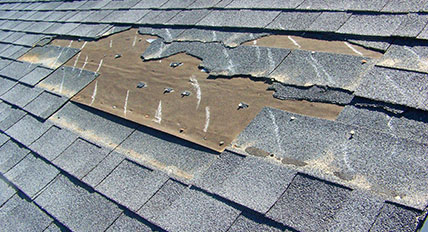
Cracked Shingles
Cracked shingles on your roof render the structure nearly useless. Generally, harsh storms and South Carolina weather cause shingles to crack, especially over time. Cracked shingles are easy to spot, so if you see them, it should be a red flag.
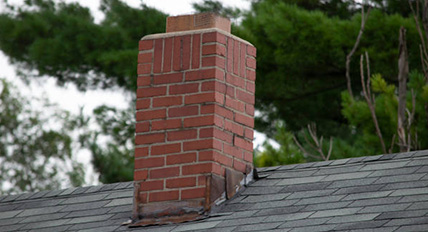
Cracked Flashing
The flashing around chimneys, vents, and skylights seals the seams of your roof, keeping rain and weather out. Examine these points closely to ensure your flashing isn't cracked or broken. If it is, you could have a major water leak, which damages your entire roof.
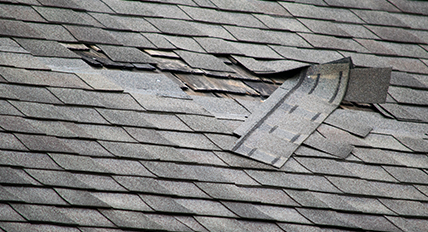
Drooping
If your roof looks like it's sagging or drooping, you need a roof replacement ASAP. Check your roof's surface for signs of rotting boards, trapped moisture, or sagging spots at the lowest points of your roof.
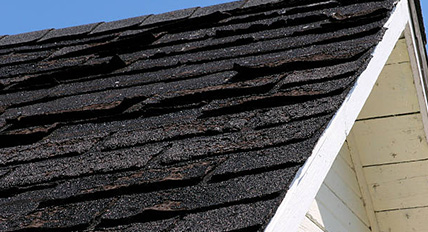
Age of Roof
How old is your roof? Many roofs, especially those with asphalt shingles, can last for decades. But they don't last forever. Review any home improvement records you have to find out when your roof was installed or repaired. If you can find out when your roof was installed, you will have a better idea how much life it has left. As a rule of thumb, common asphalt shingle roofs last 20 to 25 years. A roof installed over existing shingles needs to be replaced after 20 years, if not sooner.
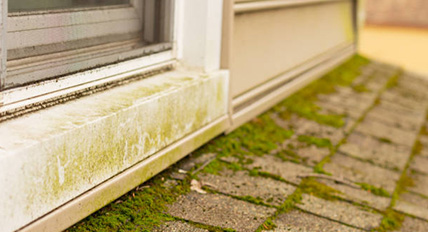
Fungi and Moss
Moss can add a certain old-school, prestigious look to your home, but in reality, it spells trouble for your roof. Moss, like mold and fungi, indicates trapped moisture. When moisture has infested your roof, it could mean it's close to ruining. You could try to carefully remove moss or mold growth with a stiff brush, but chances are you'll need professional help to address underlying problems.

Contact Us
843-937-2040
Let Us Show You the Lowco Difference
There's a reason why so many South Carolina homeowners turn to Lowco for roofing services. Sure, we could talk about our accolades and how we're better than other roofing companies. But the truth is, we'd prefer to show you with hard work and fair pricing.
From roof repairs to roof replacement, there's no better company to trust than Lowco Roofing. We have the expertise, experience, products, and tools to get the job done right, no matter your roofing problem. We'll work with you to select the best materials for your roofing needs and budget, and we'll make sure the job is done right from start to finish.

Free Consultation
Latest News in Georgetown, SC
Georgetown County Airport celebrates aviation history with B-29 display
Teagan Brownhttps://www.wmbfnews.com/2024/04/25/georgetown-county-airport-celebrates-aviation-history-with-b-29-display/
GEORGETOWN, SC (WMBF) - Aviation and history enthusiasts are in Georgetown this weekend to get an up-close look at one of two B-29 planes left in the world.The aircraft was built in 1944 and named the B-29 Doc. On Thursday morning over 200 people got to see the aircraft take off and land at the Georgetown County Airport.The Executive Director of B-29 Doc Josh Wells said this is a unique opportunity for everyone.“Everyone can see airplanes overhead and a lot of times you can even touch things in museums, that’...
GEORGETOWN, SC (WMBF) - Aviation and history enthusiasts are in Georgetown this weekend to get an up-close look at one of two B-29 planes left in the world.
The aircraft was built in 1944 and named the B-29 Doc. On Thursday morning over 200 people got to see the aircraft take off and land at the Georgetown County Airport.
The Executive Director of B-29 Doc Josh Wells said this is a unique opportunity for everyone.
“Everyone can see airplanes overhead and a lot of times you can even touch things in museums, that’s different here, we want people to get up close and experience history while we learn about the greatest generation,” said Wells.
People had the opportunity to climb into the cockpit and see the 80-year-old plane. Some folks even came from out of state, like Warner Tedesco who traveled from New Jersey.
“It’s special when you consider there’s only two examples of this that are flying and there’s not gonna be a third,” said Tedesco.
Tedesco was far from being the only aviation enthusiast at the county airport today. His friend, Dave Callahan, lives in the Myrtle Beach area and also came to see the B-29.
“We’ve both kind of followed it from restoration up and getting just to see it airworthy and landing here so close to home, it’s special,” said Callahan.
Georgetown County Airport Manager, Jim Taylor, said this is part of celebrating South Carolina Aviation Week.
It’s the first time the airport has celebrated since before the start of the COVID-19 pandemic.
“You do community events, you get community out here, they get excited about the airport,” said Taylor. “There’s a lot of people in town who don’t even know Georgetown County has an airport.”
Taylor said outside of expanding tourism at the airport they’re also hoping to expand the amount of businesses that operate there.
He said they’re currently working on plans to attract distribution centers for companies like UPS, FedEx, or Amazon.
“Any business, any aviation business, we’re looking at it as purely economic development, not only the investment somebody’s gonna make, but the jobs they’re gonna create,” said Taylor.
The plane will be making more flights on Saturday at the Georgetown County Airport and people will have the opportunity to fly in the plane, but Taylor said tickets are almost sold out.
Copyright 2024 WMBF. All rights reserved.
First Look: The George and the Independent Arrive in Georgetown, South Carolina
Lindsey Lileshttps://gardenandgun.com/feature/first-look-the-george-and-the-independent-arrive-in-georgetown-south-carolina/
The colonial seaport town gets a hotel and restaurant combo full of sweet homages to the communityFebruary 29, 2024 Updated March 1, 2024For over eighty years, a family-owned seafood market called Independent Seafood operated on Front Street in the colonial seaport town of Georgetown, South Carolina, serving fresh shrimp and fish to the community daily. Last year, it closed its doors—but two weeks ago, a new restaurant opened bea...
The colonial seaport town gets a hotel and restaurant combo full of sweet homages to the community
February 29, 2024 Updated March 1, 2024
For over eighty years, a family-owned seafood market called Independent Seafood operated on Front Street in the colonial seaport town of Georgetown, South Carolina, serving fresh shrimp and fish to the community daily. Last year, it closed its doors—but two weeks ago, a new restaurant opened bearing their name, housed in a new hotel, the George, that opens today.
“We wanted to be thoughtful about the history and the fabric of the community,” says Steve Palmer, the founder of Indigo Road, the hospitality group behind the new spot. “There’s certainly sadness when a local business like that closes, and we decided the best way to honor them was to call the restaurant the Independent.” The menu reflects the market’s history, too: Raw offerings like littleneck clams and oysters abound, plus larger plates including blackened flounder with a lump crab and andouille sausage perlo. “That blackened flounder is the best-selling dish in the two weeks we’ve been open,” Palmer says. “And the fried crab fingers are my other favorite.”
The hotel itself, with fifty-six rooms, features its own set of homages to Georgetown and the surrounding area; Charleston designer Jenny Keenan wanted to incorporate the history of the town and the environment into every detail. “We all wanted something that blended into the town and the landscape,” she says. “Pecky cypress wood was non negotiable. So were sweetgrass baskets and local art.” Below, look inside the hotel and the restaurant.
ANDREW CEBULKA
“I always love to see the sweetgrass huts along Highway 17 as I drive from Charleston to Georgetown,” Keenan says. The team commissioned local Angela Manigault to make two large baskets to hang on the hotel wall as a nod to the regional art form.
ANDREW CEBULKA
A seating area at the end of the hotel’s first-floor corridor features poppy patterns, a colorful tapestry from India, and framed insects. “Living with birds and butterflies and alligators is part of being in an area with so much greenspace,” Keenan says. “I added touches of the flora and fauna wherever I could.”
ANDREW CEBULKA
From the lobby, guests can peek into the Independent and at a commissioned piece featuring a flying bull and fish. “We wanted the restaurant to feel distinct from the hotel,” Keenan says. “It has a nautical, throwback vibe, with merlot-colored walls and blues.”
Inside the Independent, the bar area features layered textures of leather, wood, and marble.
In the back hallway, this seating area incorporates a collection of found pieces. “We wanted it to feel old, so these items are from antique stores and flea markets,” Keenan says. The team dubbed the portrait of the woman Eliza, after Eliza Lucas Pinkney, an influential historical figure who brought indigo to the area—and they borrowed her name for the outdoor bar, as well.
The cypress wood paneling and floor covers the first-floor corridor, providing a backdrop for a whimsical piece of an alligator and mermaid by Charleston artist David Boatwright.
ANDREW CEBULKA
On the way to the hotel elevators from the lobby, guests pass under an archway, one of Keenan’s favorite structural details. “I wanted it to feel like you are walking through a forest,” she says.
Keenan also wanted the hotel to have an English feel, so she selected patterned wallpaper—in dark blue as a nod to the importance of the indigo industry to the area.
Several Hammock Coast beaches in running for 'Best SC Beach' award
Nicole Ziege nziege@postandcourier.comhttps://www.postandcourier.com/georgetown/news/best-beach-usa-today-georgetown-county-sc/article_42f8ddbe-03f7-11ef-add7-0b60c2a4d6ca.html
Huntington Beach State Park, Litchfield Beach and Pawleys Island are among 14 nominated beaches in the running for the USA Today 10 Best Readers’ Choice Awards. The list was narrowed down from 17 initial nominees of beaches along the Palmetto State coastline.This week, USA Today opened the contest to public voting. The voting period started April 22, and it runs until 11:59 a.m. May 20. The beach with the most votes will win. People can vote every day on all devices. The winner will be announced in late May.Mark Stevens, ...
Huntington Beach State Park, Litchfield Beach and Pawleys Island are among 14 nominated beaches in the running for the USA Today 10 Best Readers’ Choice Awards. The list was narrowed down from 17 initial nominees of beaches along the Palmetto State coastline.
This week, USA Today opened the contest to public voting. The voting period started April 22, and it runs until 11:59 a.m. May 20. The beach with the most votes will win. People can vote every day on all devices. The winner will be announced in late May.
Mark Stevens, director of tourism development for the Georgetown County Chamber of Commerce, said the Hammock Coast beaches have seen a great early showing of support in the contest so far, but it’s still early.
“We have a long way to go before the end of the contest, so we encourage everyone who loves our beaches here on the Hammock Coast to vote every day for their favorite, whether that’s Pawleys, Litchfield or Huntington,” Stevens said.
The 14 beaches in the running include: Bloody Point Beach (Daufuskie Island), Myrtle Beach, Cherry Grove Beach (North Myrtle Beach), Coligny Beach Park (Hilton Head Island), Edisto Beach State Park (Edisto Island), Folly Beach, Folly Field Beach Park (Hilton Head Island), Hunting Island State Park (Hunting Island), Huntington Beach State Park (Murrells Inlet), Isle of Palms, Kiawah Beachwalker Park (Kiawah Island), Litchfield Beach, Myrtle Beach State Park, North Myrtle Beach, Pawleys Island, Sullivan’s Island and Surfside Beach.
Locations along the Hammock Coast have been featured in the USA Today’s 10 Best Readers’ Choice Awards in previous years. Huntington Beach and Brookgreen Gardens have been nominated in several categories, while Georgetown topped the list for the Best Coastal Small Town in 2018.
Also, Murrells Inlet placed sixth last month in the contest for the Best Small Town in the South, according to the Georgetown County Chamber of Commerce.
“Being recognized by yet another national publication speaks volumes for our efforts to promote sustainable, family-friendly, nature-centric tourism here on the Hammock Coast,” said Beth Stedman, president of the Georgetown County Chamber of Commerce. “We hope everyone can get behind this and vote for Huntington Beach, Litchfield Beach or Pawleys Island.”
Click here to vote for the best South Carolina beach.
The USA Today 10 Best Readers’ Choice Awards highlight “top-notch attractions and businesses, providing readers with trusted recommendations.”
A panel of judges chose the South Carolina beaches in the current running. These judges included travel writer Jamie Davis Smith, Greenville editor Maggie Tuten Tyner, travel writer Melanie Reffes and USA Today production manager Catherine Smith, according to USA Today.
Track Covid-19 in Georgetown County, S.C.
New York Timeshttps://www.nytimes.com/interactive/2023/us/georgetown-south-carolina-covid-cases.html
These Covid tracking pages are no longer being updated. Get the latest information from the Centers for Disease Control, or find archived data from The Times’s three year reporting effort here.Daily Covid-19 admissions in the Georgetown County areaAbout the dataData is from the Centers for Disease Control and P...
These Covid tracking pages are no longer being updated. Get the latest information from the Centers for Disease Control, or find archived data from The Times’s three year reporting effort here.
Daily Covid-19 admissions in the Georgetown County area
About the data
Data is from the Centers for Disease Control and Prevention. Hospitalization data is a daily average of Covid-19 patients in hospital service areas that intersect with Georgetown County, an area which may be larger than Georgetown County itself.
The number of daily hospital admissions shows how many patients were admitted to hospitals for Covid and is one of the most reliably reported indicators of Covid’s impact on a community.
Total population
Ages 65 and up
Total population
Ages 65 and up
An updated vaccine is recommended for adults and most children. Statewide, 7% of vaccinations did not specify a home county.
Nearby hospitals
Share of I.C.U. beds occupied
About this data Source: Centers for Disease Control and Prevention. Notes: The hospitals map shows the average I.C.U. occupancy at nearby hospitals in the most recent week with data reported. The data is self-reported to the U.S. Department of Health and Human Services by individual hospitals. It excludes counts from hospitals operated by the U.S. Department of Veterans Affairs and the Indian Health Service. Numbers for hospitalized patients are based on inpatient beds and include I.C.U. beds. Hospitalized Covid-19 patients include both confirmed and suspected Covid-19 patients. The C.D.C. stopped reporting data on cases in May 2023.
How trends have changed in Georgetown County
About this data Source: Centers for Disease Control and Prevention. Notes: Weekly county death data prior to Jan. 2021 was not reported by the C.D.C. and is sourced from reporting by The New York Times. Hospitalization data is a weekly average of Covid-19 patients in hospital service areas that intersect with Georgetown County. Hospitalization numbers early in the pandemic are undercounts due to incomplete reporting by hospitals to the federal government.
Historical trends in Georgetown County
The data in these charts has been archived and they are no longer being updated.
About this data Source: Centers for Disease Control and Prevention. The data in these charts has been archived and they are no longer being updated. Weekly county case data prior to Jan. 2021 was not reported by the C.D.C. and is sourced from reporting by The New York Times. The C.D.C. stopped reporting data on cases in May 2023. Test positivity data is based only on test results reported to the federal government and is a seven-day average.
By Jon Huang, Samuel Jacoby, Jasmine C. Lee, John-Michael Murphy, Charlie Smart and Albert Sun. Additional reporting by Sarah Cahalan, Lisa Waananen Jones, Amy Schoenfeld Walker and Josh Williams. See a full list of contributors to The Times’s Covid-19 data reporting here.
About the data
Data on this page is reported by the Centers for Disease Control and Prevention. Population and demographic data is from the U.S. Census Bureau. Hospitalization data is reported by individual hospitals to the U.S. Department of Health and Human Services, and it includes confirmed and suspected adult and pediatric patients. The C.D.C. does not provide complete vaccinations data for some counties and caps its vaccination rate figures at 95 percent.
The C.D.C. may make historical updates as more data is reported.
The C.D.C. stopped reporting data on Covid cases in May 2023.
Hammock Coast Happenings: Georgetown festival offers glimpse of city's culinary scene
Roger Yale Special to The Post and Courierhttps://www.postandcourier.com/georgetown/georgetown-food-beer-wine-festival-sc/article_ec9f1c66-fe84-11ee-a7ca-6be8e4e8854f.html
Georgetown is the epicenter of a culinary explosion, according to event organizer and restaurant owner Greg Metcalfe.“It’s about to get really crazy with The Independent (inside The George Hotel) and Frank’s on Front coming onto the scene,” he said, also citing Winyah Brewing Company, which is set to open its new facility on King Street.And there’s much more on the horizon.Metcalfe is a chef and co-owner of Georgetown’s SoCo Grille and SoCo Wood Fired Pizza. He also serves on the board...
Georgetown is the epicenter of a culinary explosion, according to event organizer and restaurant owner Greg Metcalfe.
“It’s about to get really crazy with The Independent (inside The George Hotel) and Frank’s on Front coming onto the scene,” he said, also citing Winyah Brewing Company, which is set to open its new facility on King Street.
And there’s much more on the horizon.
Metcalfe is a chef and co-owner of Georgetown’s SoCo Grille and SoCo Wood Fired Pizza. He also serves on the board of the Georgetown Business Association, the organization behind the festival.
“As we grow each year, we are seeing a lot of community involvement from the city to volunteers to businesses wanting to sponsor the event,” Metcalfe said. “(It’s) a lot different from the first year when we were scared to death it would be a flop. Obviously, it was great for Georgetown and we couldn’t be more excited to be starting our third year.”
This year, expect small plates from more than 20 area restaurants and offerings from local craft microbreweries – with an expanded beer garden and a wine tasting area complete with sommeliers to discuss their offerings.
The event is free to attend and runs from 11 a.m. to 6 p.m. Food tokens are $2 (maximum food item piece is 3 tokens). Beer and wine tokens are $6.
Local musical acts such as NTRANZE, The Clean SL8 Band and Whiskey Neat will perform on two stages throughout the day, and a kids zone will keep little ones entertained. Be sure to check out the handiwork of local artisans.
A portion of proceeds benefits Friendship Place, a local charity committed to helping the less fortunate in the area.
Here are some other local events to check out:
IT’S TRIVIAL UNTIL YOU TRY IT
Put your team trivia skills to the test with other like-minded contestants at Local Eat Drink Celebrate gastropub at the Hammock Shops Village in Pawleys Island on Thursday, April 25, from 7 p.m. – 9:15 p.m.
This installment is the third week of the 13th season with “The States That You Moved From” as a theme. Grand prize winner gets a dinner for six with wine pairings created for your team. Teams that compete six out of seven weeks are entered into a drawing for a $100 gift card – with prizes and gift cards awarded weekly.
Call (843) 314-0474 for reservations.
AUTHOR/COMEDIAN SUZANNE PARK VISITS
Meet standup comedian-turned-bestselling-author Suzanne Park on Friday, April 26, at Caffe Piccolo in Pawleys Island.
Park will be on hand to present and to sign her new book, “One Last Word” from 10:45 a.m. – 1 p.m.
As a comedian, Park appeared on BET and was a semifinalist in the NBC showcase, “Stand Up For Diversity.” Her comedic novels have been featured in “best of” lists from NPR, Country Living, Buzzfeed, The Today Show and more.
Tickets are $35 and include an author presentation, meet-and-greet, book signing (available for purchase onsite), lunch, dessert, coffee, tea and water.
For more information, visit www.litchfieldbooks.com
PAUL GRIMSHAW BAND PERFORMS
Paul Grimshaw might well be the hardest working musical performer on the Grand Strand. Whether as a solo act or with his duo or band, he’s been blanketing the Grand Strand area since 2000 – with a jaw-dropping gig schedule and a wide variety of musical covers including classic rock, pop hits, country, oldies and much more.
You can catch The Paul Grimshaw Band May 1 and most Wednesdays at Dead Dog Saloon in Murrells Inlet. Complete your Dead Dog experience with a cold one and choose from a varied menu while enjoying the idyllic setting of the MarshWalk.
Find Dead Dog Saloon at 4079 U.S. Highway 17 Business, Murrells Inlet.
Sign up for weekly roundups of our top stories, news and culture from the Myrtle Beach area. This newsletter is hand-curated by a member of our Myrtle Beach news staff.
Disclaimer:



© 2024 Lowcoroofing All Rights Reserved. Developed By 